Celebrating Breed-Specific Yarns with Solitude Wool

Plus, The Green, Wooly Mission of the Green Mountain Spinnery ‌ ‌ ‌ ‌ ‌ ‌ ‌ ‌ ‌ ‌ ‌ ‌ ‌ ‌ ‌ ‌ ‌ ‌ ‌ ‌ ‌ ‌ ‌ ‌ ‌ ‌ ‌ ‌ ‌ ‌ ‌ ‌ ‌ ‌ ‌ ‌ ‌ ‌ ‌ ‌ ‌ ‌ ‌ ‌ ‌ ‌ ‌ ‌ ‌ ‌ ‌ ‌ ‌ ‌ ‌ ‌ ‌ ‌ ‌ ‌ ‌ ‌ ‌ ‌ ‌ ‌ ‌ ‌ ‌ ‌ ‌ ‌ ‌ ‌ ‌ ‌ ‌ ‌ ‌ ‌ ‌ ‌ ‌ ‌ ‌ ‌ ‌ ‌ ‌ ‌ ‌ ‌ ‌ ‌ ‌ ‌ ‌ ‌ ‌ ‌ ‌ ‌ ‌ ‌

SUBSCRIBER EXCLUSIVE
Celebrating Breed-Specific Yarns with Solitude Wool

In northwestern Virginia, in the shadow of the Blue Ridge Mountains, you'll find the home of Solitude Wool. Since 2006, this woman-owned company has been dedicated to promoting sheep of many breeds and supporting sustainable agriculture. Read online.

By: Sandi Rosner

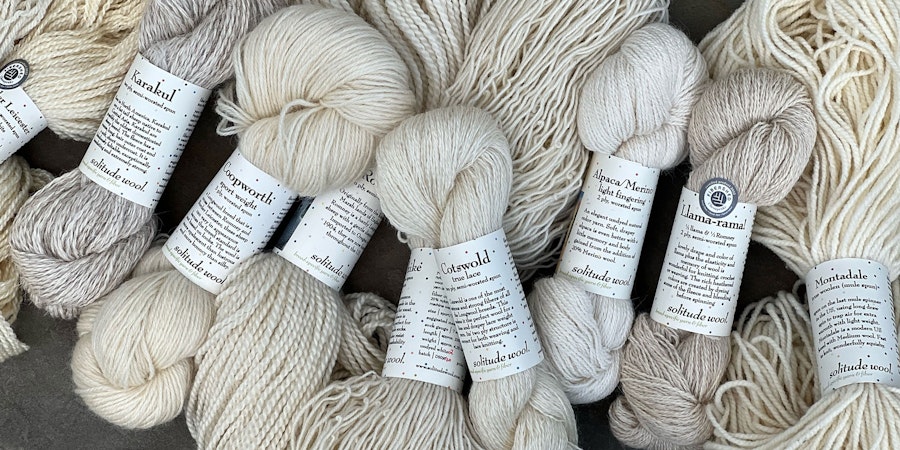
An assortment of undyed yarns from Solitude Wool. Photos by Gretchen Frederick, courtesy of Solitude Wool, unless otherwise indicated

Gretchen Frederick began selling yarn she handspun from the wool of her flock of Romney sheep at the farmers market in Leesburg, Virginia, in the late 1990s. When the Dupont Circle FreshFarm market in Washington, DC, asked her to become their wool vendor, she was thrilled to accept. But spinning enough yarn to meet the demand wasn't easy. In 2006, she had to reduce the size of her flock because the land she had been leasing was sold. Her own farm could only support eight sheep—not enough to sustain a yarn business.

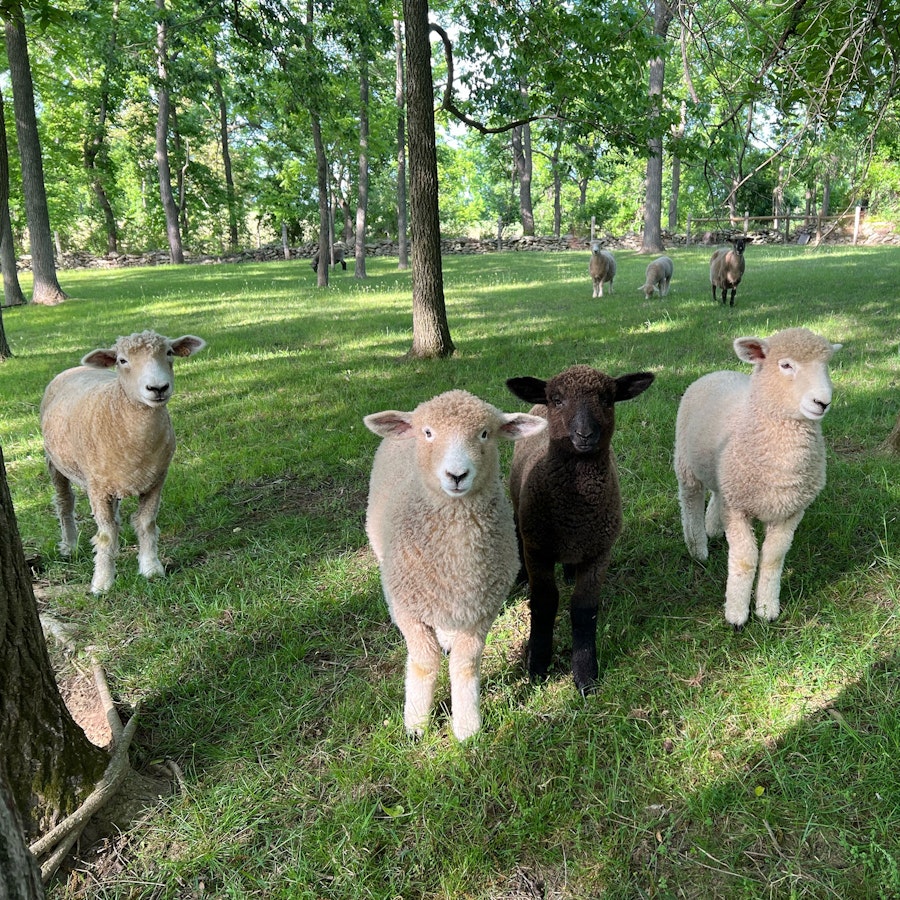
Romney lambs on Gretchen's farm.

That's when Gretchen teamed up with Sue Bundy, who was raising Karakul sheep on a farm nearby. Together, they envisioned a company that would buy fleece from local farms and work with small mills to create breed-specific yarns. Solitude Wool was born.

Local Focus, Global Impact

Solitude Wool sources fiber exclusively from small farms in the Chesapeake Fibershed. This encompasses all of the Washington, DC, and Baltimore metropolitan area, plus parts of Virginia, Delaware, Maryland, Pennsylvania, West Virginia, and New York. They work only with breed-specific wool.
 

Solitude participates in the Livestock Conservancy's Shave 'Em to Save 'Em program, an initiative to preserve rare and endangered sheep breeds. By providing a market for rare-breed wools, Solitude supports and encourages small farmers to continue breeding these sheep, preserving global genetic diversity. You can find yarn and/or roving from Clun Forest, Cotswold, Jacob, Karakul, Leicester Longwool, and Tunis sheep at Solitude Wool, all of which are on the Livestock Conservancy's Conservation Priority List.

Keep reading with a subscription to Farm & Fiber Knits

Subscribe today and get:

✅ The remaining 849 words in this article
✅ Farm & Fiber Knits print issue
✅ Subscriber-only patterns from renowned designers
✅ Exclusive behind-the-scenes fiber & knitting stories
✅ Growing library of patterns, eBooks, and more
✅ Weekly email exploring the natural fiber life

More Stories & Patterns You'll Love

Explore your new digital source for knitting expertise, fiber stories, farm explorations, and more. Join us in exploring the world of natural fiber, must-knit designs, and the essential community of knitters. 

SUBSCRIBER EXCLUSIVE
The Green, Wooly Mission of the Green Mountain Spinnery

Founded over 40 years ago to support the local wool economy and process yarn with environmentally responsible principles, The Green Mountain Spinnery's work has never been more timely. Continue reading.

What's in a Gusset?

A funny name for a little triangle of fabric, the thumb gusset is the difference between mittens that fit and uncomfortable hands. Continue reading.

SUBSCRIBER EXCLUSIVE
The Tam O'Shanter Coloring Pages

If you're deciding on color placement for a stranded colorwork project or wondering which hue to use, match your yarn choices to colored pencils and get sketching. Continue reading.

Thank you sponsors:    

Long Thread Media serves content for the handspinning, handweaving, and traditional needlework communities online, in person, and in print. The company was founded to publish HandwovenPieceWork, and Spin Off, as well as offer information, education, and community to crafters in those fields. 

From the bottom of our hearts, thanks for being part of this venture with us. 

To make sure you keep getting these emails, please add support@farmfiberknits.com to your address book. Not interested in knitting? Unsubscribe.


1300 Riverside Ave, Ste 206, Fort Collins, CO, 80524

Comments

Popular posts from this blog

Wild Hand is a place for fiber folk - thoughtful supplies for weavers, spinners, knitters, crocheters and more!

They offer materials, education, and community to encourage curiosity for fiber craft: weaving, crochet, knitting, felting, spinning, dyeing, knotting, stitching, fleece processing, and more!  ‌ ‌ ‌ ‌ ‌ ‌ ‌ ‌ ‌ ‌ ‌ ‌ ‌ ‌ ‌ ‌ ‌ ‌ ‌ ‌ ‌ ‌ ‌ ‌ ‌ ‌ ‌ ‌ ‌ ‌ ‌ ‌ ‌ ‌ ‌ ‌ ‌ ‌ ‌ ‌ ‌ ‌ ‌ ‌ ‌ ‌ ‌ ‌ ‌ ‌ ‌ ‌ ‌ ‌ ‌ ‌ ‌ ‌ ‌ ‌ ‌ ‌ ‌ ‌ ‌ ‌ ‌ ‌ ‌ ‌ ‌ ‌ ‌ ‌ ‌ ‌ ‌ ‌ ‌ ‌ ‌ ‌ ‌ ‌ ‌ ‌ ‌ ‌ ‌ ‌ ‌ ‌ ‌ ‌ ‌ ‌ ‌ ‌ ‌ ‌ ‌ ‌ ‌ ‌ Sent in partnership with Wild Hand Wild Hand is a community that believes in the magic of fiber craft: to bring together people who share a vision of an imaginative and just world. Visit Wild Hand in Philadelphia or at wild-hand.com for thoughtfully sourced supplies, workshops, events, and retreats for weavers, spinners, knitters, crocheters, felters and more! Use code WILDTHREAD for 15% Off Through 11/15 Shop hand-dyed yarns and fibers at Wild Hand! Philia Fiber Co. is a Philadelphia-based dye house creating truly one-of-a-kind yarns by hand. Ritual Dyes hand-dyed Mohair/Silk yarn is a ...

The Best (and Worst) Ways to Weight Floating Selvedges

It may make you a better weaver.  ‌ ‌ ‌ ‌ ‌ ‌ ‌ ‌ ‌ ‌ ‌ ‌ ‌ ‌ ‌ ‌ ‌ ‌ ‌ ‌ ‌ ‌ ‌ ‌ ‌ ‌ ‌ ‌ ‌ ‌ ‌ ‌ ‌ ‌ ‌ ‌ ‌ ‌ ‌ ‌ ‌ ‌ ‌ ‌ ‌ ‌ ‌ ‌ ‌ ‌ ‌ ‌ ‌ ‌ ‌ ‌ ‌ ‌ ‌ ‌ ‌ ‌ ‌ ‌ ‌ ‌ ‌ ‌ ‌ ‌ ‌ ‌ ‌ ‌ ‌ ‌ ‌ ‌ ‌ ‌ ‌ ‌ ‌ ‌ ‌ ‌ ‌ ‌ ‌ ‌ ‌ ‌ ‌ ‌ ‌ ‌ ‌ ‌ ‌ ‌ ‌ ‌ ‌ ‌ You do not currently have a subscription to Handwoven under this email. Please consider  subscribing today The Best (and Worst) Ways to Weight Floating Selvedges By: Christina Garton Throughout my 10 years or so of weaving I've used many items to weight my floating selvedges and/or broken warp ends. Some have worked beautifully and some not so much. Here, in my opinion, is where they stand from least to most useful Binder Clip Clipped to Something Heavy-ish For this first method, I tied the floating selvedges around the handle of a large binder clip and then clipped it to something with a bit of heft, I'm not sure exactly what. It didn't matter, of course, because this worked terribly. This method came from me not being able to find ...

Indigo: Weaving with the Color of Calm

Plus, What's So Great about Fulling?  ‌ ‌ ‌ ‌ ‌ ‌ ‌ ‌ ‌ ‌ ‌ ‌ ‌ ‌ ‌ ‌ ‌ ‌ ‌ ‌ ‌ ‌ ‌ ‌ ‌ ‌ ‌ ‌ ‌ ‌ ‌ ‌ ‌ ‌ ‌ ‌ ‌ ‌ ‌ ‌ ‌ ‌ ‌ ‌ ‌ ‌ ‌ ‌ ‌ ‌ ‌ ‌ ‌ ‌ ‌ ‌ ‌ ‌ ‌ ‌ ‌ ‌ ‌ ‌ ‌ ‌ ‌ ‌ ‌ ‌ ‌ ‌ ‌ ‌ ‌ ‌ ‌ ‌ ‌ ‌ ‌ ‌ ‌ ‌ ‌ ‌ ‌ ‌ ‌ ‌ ‌ ‌ ‌ ‌ ‌ ‌ ‌ ‌ ‌ ‌ ‌ ‌ ‌ ‌ You do not currently have a subscription to Little Looms under this email. Please consider  subscribing today. Indigo: Weaving with the Color of Calm By: Kate Kilmurray Kate Kilmurray writes about how she uses indigo-dyed loops and a simple potholder loom to create a mindful and meditative weaving experience.   Continu e readin g. What's So Great about Fulling? By: Christina Garton Have you ever wondered why we full wool fabrics? As it turns out, fulling is an important part of the finishing process.  Continue reading. How to Throw a Dye Party By: Yvonne Ellsworth Who loves a party? I know I do, especially if it is a dye party. I have hosted and participated in dozens of dye parties over the years, and I am here to tell you how it...