Ranching Tradition Fiber

Plus, The Quest for Local Linen: Chico Flax ‌ ‌ ‌ ‌ ‌ ‌ ‌ ‌ ‌ ‌ ‌ ‌ ‌ ‌ ‌ ‌ ‌ ‌ ‌ ‌ ‌ ‌ ‌ ‌ ‌ ‌ ‌ ‌ ‌ ‌ ‌ ‌ ‌ ‌ ‌ ‌ ‌ ‌ ‌ ‌ ‌ ‌ ‌ ‌ ‌ ‌ ‌ ‌ ‌ ‌ ‌ ‌ ‌ ‌ ‌ ‌ ‌ ‌ ‌ ‌ ‌ ‌ ‌ ‌ ‌ ‌ ‌ ‌ ‌ ‌ ‌ ‌ ‌ ‌ ‌ ‌ ‌ ‌ ‌ ‌ ‌ ‌ ‌ ‌ ‌ ‌ ‌ ‌ ‌ ‌ ‌ ‌ ‌ ‌ ‌ ‌ ‌ ‌ ‌ ‌ ‌ ‌ ‌ ‌

Ranching Tradition Fiber

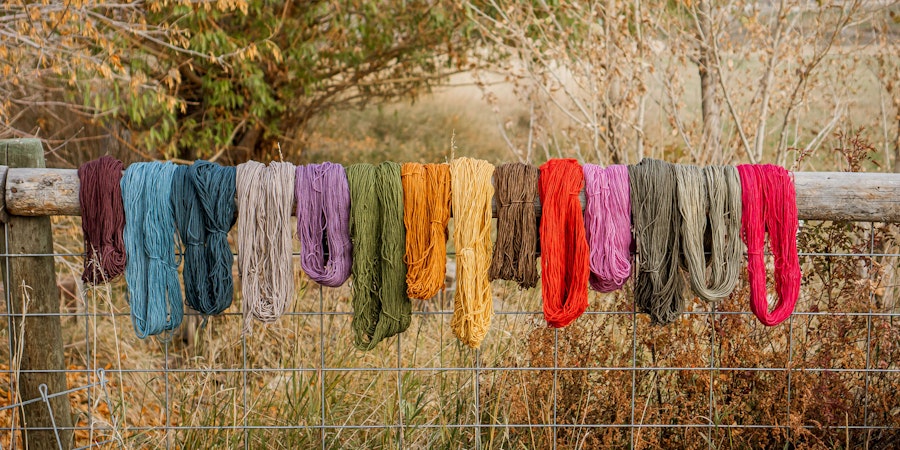
By bringing sheep back to her family's Montana ranch, Kami Noyes has connected with knitters across the country through her yarns, fiber, and wool festival.

By: Karen Elting Brock

A conversation with Kami Noyes of Ranching Tradition Fiber in Whitehall, Montana, brings to mind those determined pioneer women who made a life for themselves in the rugged American West. Though clearly thriving in the twenty-first century, Kami is a self-made woman—a sheep and cattle rancher by birth, deeply committed to caring for the land; a self-taught organizer of a successful and growing Copper K Fiber Festival; a fiber artist who taught herself to spin, dye, knit, and crochet; and a fiber entrepreneur who sells a variety of her hand-dyed yarn and fiber online and in local stores.

Continue Reading

SUBSCRIBER EXCLUSIVE
The Quest for Local Linen: Chico Flax

If cotton is the king of cellulose fibers, then linen is the queen. In Northern California, farmers are working to bring back local sources of this fundamental fiber.

By: Jacqueline Harp

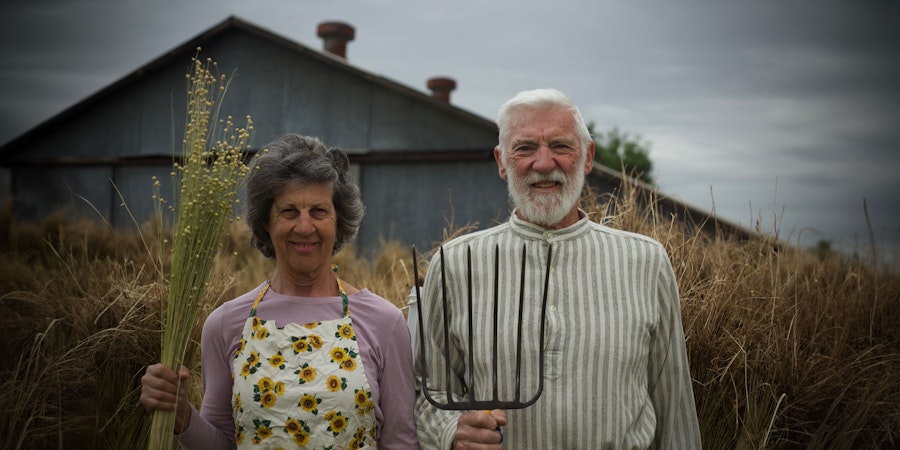
Harvested and processed from the hardy yet temperamental flax plant, linen yarn has long been a treasure to knitters with a taste for fashionable, summer-friendly knits. Yet the more miles a yarn travels to reach our needles, the less earth-friendly it becomes. In the United States, there is a notable lack of domestically produced linen yarns. Most linen yarns available at your local yarn shop are imported from Italy or China. Fortunately, there are fiber producers who are solving the lack of local linen yarn. Expert weaver Sandy Fisher and her partner, Durl Van Alstyne, are at the heart of Chico Flax, an organization located in Chico, California, that seeks to bring sustainably produced linen products to North America and beyond.

Continue Reading

SUBSCRIBER EXCLUSIVE
Knitting Yarn—the Inside Scoop

Mary Jeanne Packer of Battenkill Fibers on wool, farms, fiber blends, festivals, and how knitters can save small farms.

By: Anne Merrow

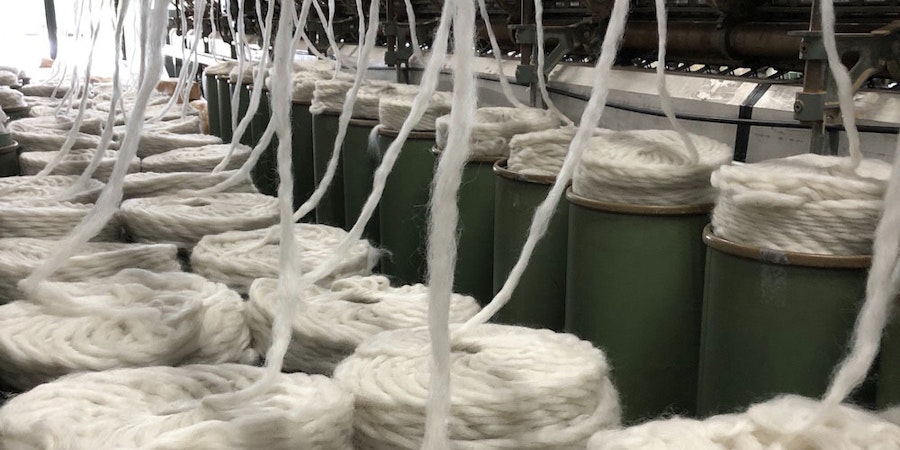
Between the fiber farm and your needles lies a wonderful, necessary step: the mill. Whether your fiber comes from a single small flock or a herd of thousands, a fiber mill has had a hand in preparing, twisting, and finishing every yard of yarn that passes through your fingers. A former yarn store owner, Mary Jeanne Packer has seen knitting yarns from every angle. As the owner of Battenkill Fibers Carding and Spinning Mill, she has seen the good, the not-so-good, and the positively sumptuous pass through her spinning equipment.

Continue Reading

More Stories & Patterns You'll Love

Explore your new digital source for knitting expertise, fiber stories, farm explorations, and more. Join us in exploring the world of natural fiber, must-knit designs, and the essential community of knitters. 

Navajo Wool, Diné Stories

From traditional Navajo-Churro wool to finewool fleeces prized by industry, sheep and yarn are inseparable from the Diné lifeway. Continue reading.

Donegal Tweed and the Magic of Color

Donegal tweed yarn consists of a unique blend of dyed-in-the-wool colors and contrasting flecks, or neps, of partially felted colored wool. Continue reading.

Entrelac, Basic & Enhanced

From the stacked-diamond look of basic entrelac to lace effects, the zigzag path of this knitting technique leads in delightful directions. Continue reading.

Thank you sponsors:    

Long Thread Media serves content for the handspinning, handweaving, and traditional needlework communities online, in person, and in print. The company was founded to publish HandwovenPieceWork, and Spin Off, as well as offer information, education, and community to crafters in those fields. 

From the bottom of our hearts, thanks for being part of this venture with us. 

To make sure you keep getting these emails, please add support@farmfiberknits.com to your address book. Not interested in knitting? Unsubscribe.


1300 Riverside Ave, Ste 206, Fort Collins, CO, 80524

Comments

Popular posts from this blog

Put the Wow in Your Woven Rugs & Accessories

Weave a rug that adds color and comfort to your space, and learn to harness asymmetry in design.  ‌ ‌ ‌ ‌ ‌ ‌ ‌ ‌ ‌ ‌ ‌ ‌ ‌ ‌ ‌ ‌ ‌ ‌ ‌ ‌ ‌ ‌ ‌ ‌ ‌ ‌ ‌ ‌ ‌ ‌ ‌ ‌ ‌ ‌ ‌ ‌ ‌ ‌ ‌ ‌ ‌ ‌ ‌ ‌ ‌ ‌ ‌ ‌ ‌ ‌ ‌ ‌ ‌ ‌ ‌ ‌ ‌ ‌ ‌ ‌ ‌ ‌ ‌ ‌ ‌ ‌ ‌ ‌ ‌ ‌ ‌ ‌ ‌ ‌ ‌ ‌ ‌ ‌ ‌ ‌ ‌ ‌ ‌ ‌ ‌ ‌ ‌ ‌ ‌ ‌ ‌ ‌ ‌ ‌ ‌ ‌ ‌ ‌ ‌ ‌ ‌ ‌ ‌ ‌ You do not currently have a subscription to Handwoven under this email. Please consider  subscribing today . Handwoven Summer 2024: Put the Wow in Your Woven Rugs & Accessories Weave a rug that adds color and comfort to your space, and learn to harness asymmetry in design.  In this dual-themed issue, you'll find something to weave for every season and every room in your home. We've focused on projects that use color, patterning, and even asymmetry to excite and inspire you.   If you want to add warmth and style to your bare floors, our six rug projects will get your weaving creativity flowing. Whether you love bold geometric shapes and bright colors, have rags, stash or...

A Shepherd’s Delight: Knit the Woolgrowers Hat & Cowl

Plus, What's Gauge Got to Do with it?  ‌ ‌ ‌ ‌ ‌ ‌ ‌ ‌ ‌ ‌ ‌ ‌ ‌ ‌ ‌ ‌ ‌ ‌ ‌ ‌ ‌ ‌ ‌ ‌ ‌ ‌ ‌ ‌ ‌ ‌ ‌ ‌ ‌ ‌ ‌ ‌ ‌ ‌ ‌ ‌ ‌ ‌ ‌ ‌ ‌ ‌ ‌ ‌ ‌ ‌ ‌ ‌ ‌ ‌ ‌ ‌ ‌ ‌ ‌ ‌ ‌ ‌ ‌ ‌ ‌ ‌ ‌ ‌ ‌ ‌ ‌ ‌ ‌ ‌ ‌ ‌ ‌ ‌ ‌ ‌ ‌ ‌ ‌ ‌ ‌ ‌ ‌ ‌ ‌ ‌ ‌ ‌ ‌ ‌ ‌ ‌ ‌ ‌ ‌ ‌ ‌ ‌ ‌ ‌ SUBSCRIBER EXCLUSIVE A Shepherd's Delight: Knit the Woolgrowers Hat & Cowl Make the most of a special skein or two of farm yarn with this thoughtful design. By: Sarah Pope The Woolgrowers Hat and Cowl are designed as sampler projects for unique skeins of small-batch yarn you may find at fiber festivals or farmers' markets. Use any DK or light-worsted-weight wool. The stitch pattern, adapted from an historical Danish motif, uses purl and twisted stitches to create a lively geometric surface design. Continue Reading What's Gauge Got to Do with it? A different angle on a knitter's least favorite task. By: Katrina King Ask any group of knitters what their least favorite task in the craft is, and the subjects of swatching...

The Natural Beauty of Shetland Yarns

Plus, How to Make a Dorset Button Video + Bonus Pattern  ‌ ‌ ‌ ‌ ‌ ‌ ‌ ‌ ‌ ‌ ‌ ‌ ‌ ‌ ‌ ‌ ‌ ‌ ‌ ‌ ‌ ‌ ‌ ‌ ‌ ‌ ‌ ‌ ‌ ‌ ‌ ‌ ‌ ‌ ‌ ‌ ‌ ‌ ‌ ‌ ‌ ‌ ‌ ‌ ‌ ‌ ‌ ‌ ‌ ‌ ‌ ‌ ‌ ‌ ‌ ‌ ‌ ‌ ‌ ‌ ‌ ‌ ‌ ‌ ‌ ‌ ‌ ‌ ‌ ‌ ‌ ‌ ‌ ‌ ‌ ‌ ‌ ‌ ‌ ‌ ‌ ‌ ‌ ‌ ‌ ‌ ‌ ‌ ‌ ‌ ‌ ‌ ‌ ‌ ‌ ‌ ‌ ‌ ‌ ‌ ‌ ‌ ‌ ‌ The Natural Beauty of Shetland Yarns The colors of Shetland's sheep are a great source of knitterly inspiration. Hear how Gudrun Johnston uses naturals in color-filled palettes. Read online. By: Kate Larson Kate's Fair Isle jumper knitted in five natural sheep shades. Photo by Kate Larson The native sheep of the Shetland Isles are often described as a "primitive" breed, meaning that they retain many of the characteristics of their hardy ancestors. The first thing that often turns our knitter's heads, of course, is their beautiful fleece colors.   Many Shetland sheep colors and color patterns are still identified by old names, tracing their roots to Old Norse. Some names, such as  shaela  (gray) and  m...