A Shepherd’s Year: What to Expect When You’re Expecting (Lambs)

Plus, How to Name a Sheep: Meet Kate's Lambs Willa and Gus ‌ ‌ ‌ ‌ ‌ ‌ ‌ ‌ ‌ ‌ ‌ ‌ ‌ ‌ ‌ ‌ ‌ ‌ ‌ ‌ ‌ ‌ ‌ ‌ ‌ ‌ ‌ ‌ ‌ ‌ ‌ ‌ ‌ ‌ ‌ ‌ ‌ ‌ ‌ ‌ ‌ ‌ ‌ ‌ ‌ ‌ ‌ ‌ ‌ ‌ ‌ ‌ ‌ ‌ ‌ ‌ ‌ ‌ ‌ ‌ ‌ ‌ ‌ ‌ ‌ ‌ ‌ ‌ ‌ ‌ ‌ ‌ ‌ ‌ ‌ ‌ ‌ ‌ ‌ ‌ ‌ ‌ ‌ ‌ ‌ ‌ ‌ ‌ ‌ ‌ ‌ ‌ ‌ ‌ ‌ ‌ ‌ ‌ ‌ ‌ ‌ ‌ ‌ ‌

A SHEPHERD'S YEAR
What to Expect When You're Expecting (Lambs)

Nesting begins as lambing season approaches.

By: Kate Larson

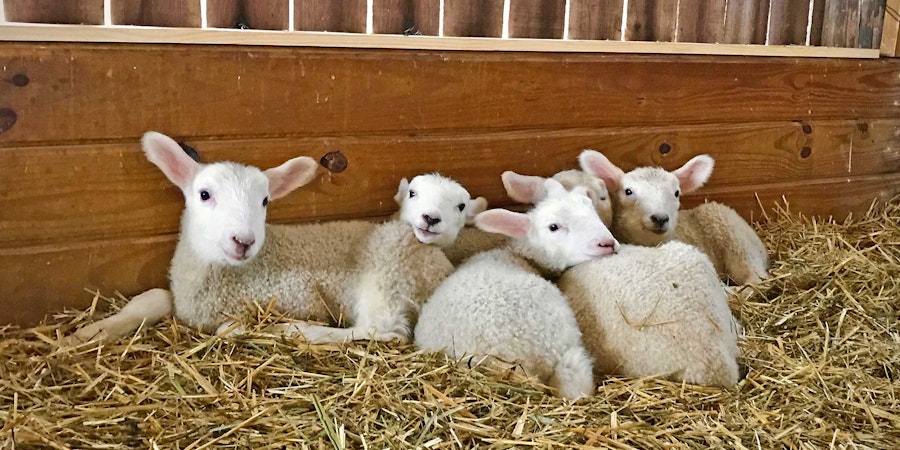
A heap of sheep. When will this year's lambs arrive? Photos by Kate Larson

As winter comes to an end on my Midwestern farm, all thoughts and excitement and worry are focused on the pregnant ewes. My flock of Border Leicester sheep—a breed known for their gentle intelligence and shiny, curly locks—have their lambs in April each year.

Sheep have a gestation of about five months, and my ewes (and I) spend about four of those months blissfully unconcerned about the coming lambs. The ewes spend their winter days cozy in full fleece, oblivious to either windy, freezing conditions or damp, dreary days. By early March, we all start to be aware that spring is right around the corner. The first ewes start to show, and their shepherd quickly shifts gears—it's time to make lists and start planning.

If the weather is kind, I like to shear my ewes before they lamb. It makes it easier for the lambs to find their mother's milk, as well as allowing the ewe to easily see the lambs. We've had cold, wet springs for the last few years, so some of the ewes lambed before they were sheared. Occasionally, lambs need to wear a little coat for a few days as they adjust to the outside world.

Molly had her twins, Willa and Gus (shown in the video), while it was still quite cold in 2022. Willa needed some extra help and wore a woolly coat sewn from the sleeve of a thrift-store sweater for a few days.

Watching the sheep learn and process information is just about my favorite part of having a flock. Much of what the ewes need to know about lambing is instinctive, but I've also found that keeping yearling ewes (last year's lambs) near the pregnant ewes is a great help. For example, Willa as a yearling was able to see, hear, and smell all the goings on of lambing season last year, making those things less of a shock when it's her turn. (Learn more about her here.)
 

Are We There Yet?

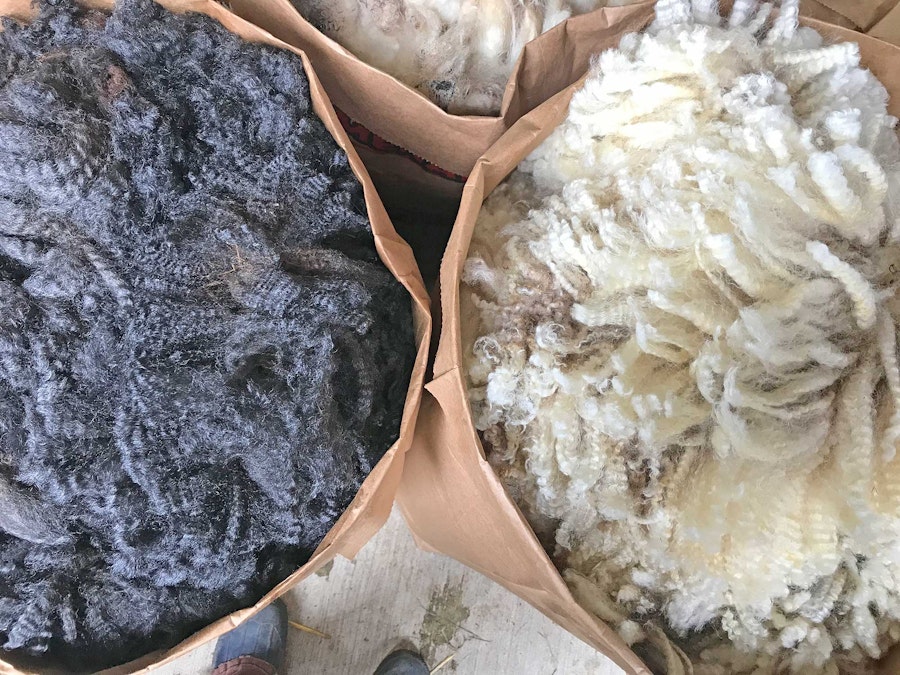
Willa seems like she might lamb before everyone else in the coming weeks. My fellow shepherd—my husband, Olaf—and I sheared her and a few of her pregnant peers today, a warm and sunny afternoon. I packed the fleeces away into paper bags until I have a chance (after lambing season) to sort the wool for further processing.

Kate's flock has both white and natural color Border Leicesters.

Tonight, I'll begin my midnight barn checks. As lambing season gets closer, Olaf and I start checking the barn more frequently to make sure none of the ewes is in distress. These late-night/early-morning walks to the barn, while watching the stars and pulling various layers of handknitted sweaters and shawls more tightly around my pajamas, have become a sacred feature of the changing season for me. I creep into the barn, tiptoe around the sleeping flock, and check on the ewes closest to their time. They might be sleeping soundly, giving birth without any need of my assistance, or in a dire situation that requires me to snap fully awake and spring to action. The not-knowing fills this season with the sharpest joy and worry and excitement and trepidation.

Ah, the shepherd's life. All I can do for now in this time of great expectations is double-check my cabinet of lambing supplies I hope I don't need for a 3 am emergency:
Lamb coats, check.
OB gloves, check.
Milk replacer and bottles, check and check. . .

Willa had a beautiful fleece this year, and she's feeling fresh and clean now that she is shorn.

Kate Larson, editor of Spin Off, teaches handspinning around the country, has published knitting patterns in books and magazines, and spends as many hours as life allows in the barn with her beloved flock of Border Leicesters.

More Stories & Patterns You'll Love

Explore your new digital source for knitting expertise, fiber stories, farm explorations, and more. Join us in exploring the world of natural fiber, must-knit designs, and the essential community of knitters. 

How to Name a Sheep: Meet Kate's Lambs Willa and Gus

In the spring, we asked readers for name suggestions for these cute twins. Let's take a peek in the barn to see how Willa and Gus are doing this fall, and—of course—how their fleeces are growing! Continue reading.

Ensuring the Future at Morehouse Farm Merinos

How can a wool farm remain a viable business in a changing world? A young farmer and agricultural consultant, drawn to Morehouse Farm since childhood, Erin Pirro helps navigate the farm's next chapter.  Continue reading.

Anne's Socks

Inspired by Anne Elliot from Persuasion, these cuff-down socks are the perfect project for the beginning or intermediate knitter. View pattern.

Thank you sponsors:    

Long Thread Media serves content for the handspinning, handweaving, knitting, and traditional needlework communities online, in person, and in print. We are proud to publish HandwovenEasy Weaving with Little LoomsFarm & Fiber KnitsPieceWork, and Spin Off, as well as offer information, education, and community to crafters in those fields. 
 
From the bottom of our hearts, thanks for sharing a love of fiber arts with us.


To make sure you keep getting these emails, please add support@farmfiberknits.com to your address book. Not interested in knitting? Unsubscribe.


1300 Riverside Ave, Ste 206, Fort Collins, CO, 80524

Comments

Popular posts from this blog

Wild Hand is a place for fiber folk - thoughtful supplies for weavers, spinners, knitters, crocheters and more!

They offer materials, education, and community to encourage curiosity for fiber craft: weaving, crochet, knitting, felting, spinning, dyeing, knotting, stitching, fleece processing, and more!  ‌ ‌ ‌ ‌ ‌ ‌ ‌ ‌ ‌ ‌ ‌ ‌ ‌ ‌ ‌ ‌ ‌ ‌ ‌ ‌ ‌ ‌ ‌ ‌ ‌ ‌ ‌ ‌ ‌ ‌ ‌ ‌ ‌ ‌ ‌ ‌ ‌ ‌ ‌ ‌ ‌ ‌ ‌ ‌ ‌ ‌ ‌ ‌ ‌ ‌ ‌ ‌ ‌ ‌ ‌ ‌ ‌ ‌ ‌ ‌ ‌ ‌ ‌ ‌ ‌ ‌ ‌ ‌ ‌ ‌ ‌ ‌ ‌ ‌ ‌ ‌ ‌ ‌ ‌ ‌ ‌ ‌ ‌ ‌ ‌ ‌ ‌ ‌ ‌ ‌ ‌ ‌ ‌ ‌ ‌ ‌ ‌ ‌ ‌ ‌ ‌ ‌ ‌ ‌ Sent in partnership with Wild Hand Wild Hand is a community that believes in the magic of fiber craft: to bring together people who share a vision of an imaginative and just world. Visit Wild Hand in Philadelphia or at wild-hand.com for thoughtfully sourced supplies, workshops, events, and retreats for weavers, spinners, knitters, crocheters, felters and more! Use code WILDTHREAD for 15% Off Through 11/15 Shop hand-dyed yarns and fibers at Wild Hand! Philia Fiber Co. is a Philadelphia-based dye house creating truly one-of-a-kind yarns by hand. Ritual Dyes hand-dyed Mohair/Silk yarn is a ...

The Best (and Worst) Ways to Weight Floating Selvedges

It may make you a better weaver.  ‌ ‌ ‌ ‌ ‌ ‌ ‌ ‌ ‌ ‌ ‌ ‌ ‌ ‌ ‌ ‌ ‌ ‌ ‌ ‌ ‌ ‌ ‌ ‌ ‌ ‌ ‌ ‌ ‌ ‌ ‌ ‌ ‌ ‌ ‌ ‌ ‌ ‌ ‌ ‌ ‌ ‌ ‌ ‌ ‌ ‌ ‌ ‌ ‌ ‌ ‌ ‌ ‌ ‌ ‌ ‌ ‌ ‌ ‌ ‌ ‌ ‌ ‌ ‌ ‌ ‌ ‌ ‌ ‌ ‌ ‌ ‌ ‌ ‌ ‌ ‌ ‌ ‌ ‌ ‌ ‌ ‌ ‌ ‌ ‌ ‌ ‌ ‌ ‌ ‌ ‌ ‌ ‌ ‌ ‌ ‌ ‌ ‌ ‌ ‌ ‌ ‌ ‌ ‌ You do not currently have a subscription to Handwoven under this email. Please consider  subscribing today The Best (and Worst) Ways to Weight Floating Selvedges By: Christina Garton Throughout my 10 years or so of weaving I've used many items to weight my floating selvedges and/or broken warp ends. Some have worked beautifully and some not so much. Here, in my opinion, is where they stand from least to most useful Binder Clip Clipped to Something Heavy-ish For this first method, I tied the floating selvedges around the handle of a large binder clip and then clipped it to something with a bit of heft, I'm not sure exactly what. It didn't matter, of course, because this worked terribly. This method came from me not being able to find ...

Indigo: Weaving with the Color of Calm

Plus, What's So Great about Fulling?  ‌ ‌ ‌ ‌ ‌ ‌ ‌ ‌ ‌ ‌ ‌ ‌ ‌ ‌ ‌ ‌ ‌ ‌ ‌ ‌ ‌ ‌ ‌ ‌ ‌ ‌ ‌ ‌ ‌ ‌ ‌ ‌ ‌ ‌ ‌ ‌ ‌ ‌ ‌ ‌ ‌ ‌ ‌ ‌ ‌ ‌ ‌ ‌ ‌ ‌ ‌ ‌ ‌ ‌ ‌ ‌ ‌ ‌ ‌ ‌ ‌ ‌ ‌ ‌ ‌ ‌ ‌ ‌ ‌ ‌ ‌ ‌ ‌ ‌ ‌ ‌ ‌ ‌ ‌ ‌ ‌ ‌ ‌ ‌ ‌ ‌ ‌ ‌ ‌ ‌ ‌ ‌ ‌ ‌ ‌ ‌ ‌ ‌ ‌ ‌ ‌ ‌ ‌ ‌ You do not currently have a subscription to Little Looms under this email. Please consider  subscribing today. Indigo: Weaving with the Color of Calm By: Kate Kilmurray Kate Kilmurray writes about how she uses indigo-dyed loops and a simple potholder loom to create a mindful and meditative weaving experience.   Continu e readin g. What's So Great about Fulling? By: Christina Garton Have you ever wondered why we full wool fabrics? As it turns out, fulling is an important part of the finishing process.  Continue reading. How to Throw a Dye Party By: Yvonne Ellsworth Who loves a party? I know I do, especially if it is a dye party. I have hosted and participated in dozens of dye parties over the years, and I am here to tell you how it...