How Do Cables Change the Fit of Your Knitting?

Plus, Manos Milo: See What a Little Linen Can Do ‌ ‌ ‌ ‌ ‌ ‌ ‌ ‌ ‌ ‌ ‌ ‌ ‌ ‌ ‌ ‌ ‌ ‌ ‌ ‌ ‌ ‌ ‌ ‌ ‌ ‌ ‌ ‌ ‌ ‌ ‌ ‌ ‌ ‌ ‌ ‌ ‌ ‌ ‌ ‌ ‌ ‌ ‌ ‌ ‌ ‌ ‌ ‌ ‌ ‌ ‌ ‌ ‌ ‌ ‌ ‌ ‌ ‌ ‌ ‌ ‌ ‌ ‌ ‌ ‌ ‌ ‌ ‌ ‌ ‌ ‌ ‌ ‌ ‌ ‌ ‌ ‌ ‌ ‌ ‌ ‌ ‌ ‌ ‌ ‌ ‌ ‌ ‌ ‌ ‌ ‌ ‌ ‌ ‌ ‌ ‌ ‌ ‌ ‌ ‌ ‌ ‌ ‌ ‌

SUBSCRIBER EXCLUSIVE
How Do Cables Change the Fit of Your Knitting?

An experimental approach to yarn, gauge, and cabled fabric. Read online.

By: Katrina King

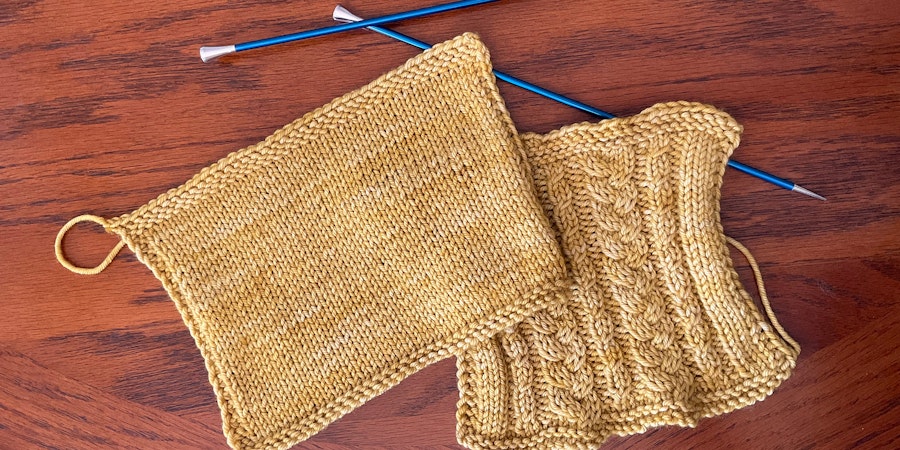
What happens to knit fabric with added texture? Photos by Katrina King

As a knitwear designer with a science background, I like to play with different elements to see what happens in a piece of fabric. The first time I added a cable to a basic sock pattern, I did not think about how it would affect the fit. Thankfully, adding a cable traveling up the leg of the sock did not change the circumference and fit greatly, but what would happen with a larger garment? How would the fit change if more cables were added or if they were taken away? I knitted some swatches to find out. In every experiment, there are conditions you can control and those you are trying to solve for. In being consistent with the ones I can control, the ones I cannot control can express themselves equally without outside interference.
 

Variables I can control:

  • Yarn
  • Needle size


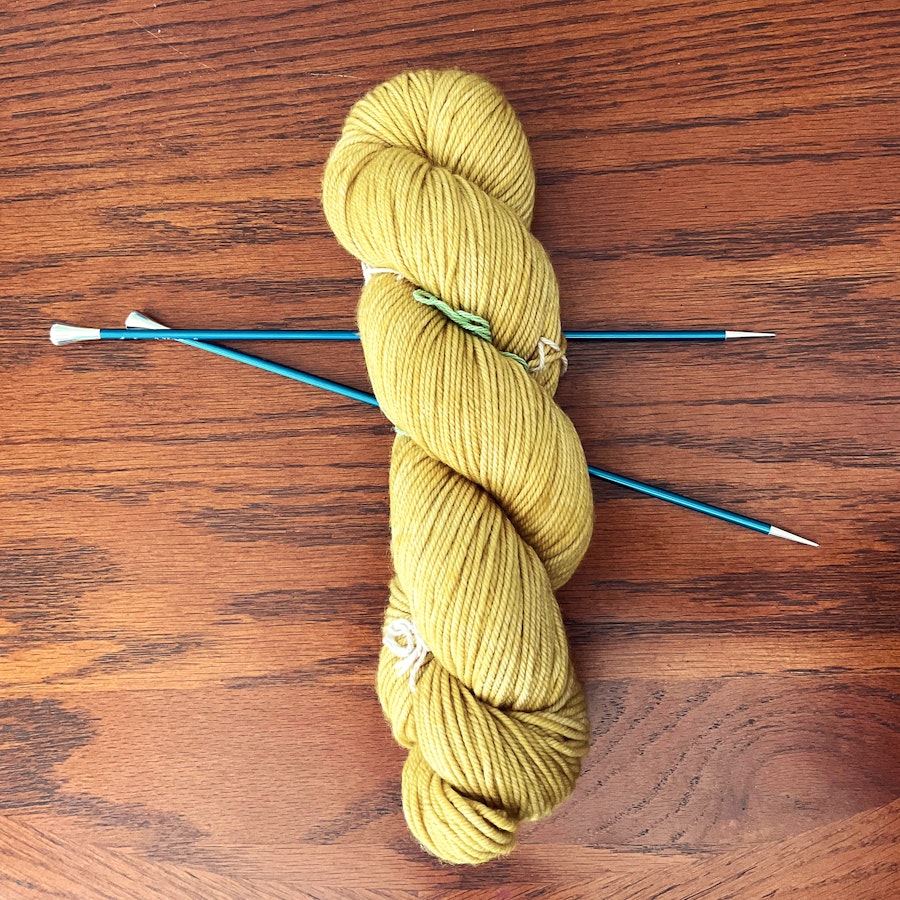
My swatches were worked using the same elements across the board: needles, yarn, cast on, and bind off. They were also worked on the same day to help control any knitter conditions such as mood or stress level.

yarn and needles

Keep reading with a subscription to Farm & Fiber Knits

Subscribe today and get:

✅ The remaining 520 words in this article
✅ Farm & Fiber Knits print issue
✅ Subscriber-only patterns from renowned designers
✅ Exclusive behind-the-scenes fiber & knitting stories
✅ Growing library of patterns, eBooks, and more
✅ Weekly email exploring the natural fiber life

More Stories & Patterns You'll Love

Explore your new digital source for knitting expertise, fiber stories, farm explorations, and more. Join us in exploring the world of natural fiber, must-knit designs, and the essential community of knitters. 

Manos Milo: See What a Little Linen Can Do

Wool and flax are opposites in many ways. What happens when we mix them together into a knitting yarn? Continue reading.

Shining a Spotlight on Small Craft Businesses

Falling in love with vibrant, unique yarns, a journalist-turned-entrepreneur has discovered the joy of connecting eager knitters with independent dyers. Continue reading.

Squishy Wools, Strong Twist, and Slipped Stitches

How does High Desert Worsted stand up to the give-and-take, push-and-pull of a slipped-stitch motif? Kate's here to cast on. Continue reading.

Thank you sponsors:    

Long Thread Media serves content for the handspinning, handweaving, knitting, and traditional needlework communities online, in person, and in print. We are proud to publish HandwovenEasy Weaving with Little LoomsFarm & Fiber KnitsPieceWork, and Spin Off, as well as offer information, education, and community to crafters in those fields. 
 
From the bottom of our hearts, thanks for sharing a love of fiber arts with us.

To make sure you keep getting these emails, please add support@farmfiberknits.com to your address book. Not interested in knitting? Unsubscribe.


1300 Riverside Ave, Ste 206, Fort Collins, CO, 80524

Comments

Popular posts from this blog

Put the Wow in Your Woven Rugs & Accessories

Weave a rug that adds color and comfort to your space, and learn to harness asymmetry in design.  ‌ ‌ ‌ ‌ ‌ ‌ ‌ ‌ ‌ ‌ ‌ ‌ ‌ ‌ ‌ ‌ ‌ ‌ ‌ ‌ ‌ ‌ ‌ ‌ ‌ ‌ ‌ ‌ ‌ ‌ ‌ ‌ ‌ ‌ ‌ ‌ ‌ ‌ ‌ ‌ ‌ ‌ ‌ ‌ ‌ ‌ ‌ ‌ ‌ ‌ ‌ ‌ ‌ ‌ ‌ ‌ ‌ ‌ ‌ ‌ ‌ ‌ ‌ ‌ ‌ ‌ ‌ ‌ ‌ ‌ ‌ ‌ ‌ ‌ ‌ ‌ ‌ ‌ ‌ ‌ ‌ ‌ ‌ ‌ ‌ ‌ ‌ ‌ ‌ ‌ ‌ ‌ ‌ ‌ ‌ ‌ ‌ ‌ ‌ ‌ ‌ ‌ ‌ ‌ You do not currently have a subscription to Handwoven under this email. Please consider  subscribing today . Handwoven Summer 2024: Put the Wow in Your Woven Rugs & Accessories Weave a rug that adds color and comfort to your space, and learn to harness asymmetry in design.  In this dual-themed issue, you'll find something to weave for every season and every room in your home. We've focused on projects that use color, patterning, and even asymmetry to excite and inspire you.   If you want to add warmth and style to your bare floors, our six rug projects will get your weaving creativity flowing. Whether you love bold geometric shapes and bright colors, have rags, stash or...

A Shepherd’s Delight: Knit the Woolgrowers Hat & Cowl

Plus, What's Gauge Got to Do with it?  ‌ ‌ ‌ ‌ ‌ ‌ ‌ ‌ ‌ ‌ ‌ ‌ ‌ ‌ ‌ ‌ ‌ ‌ ‌ ‌ ‌ ‌ ‌ ‌ ‌ ‌ ‌ ‌ ‌ ‌ ‌ ‌ ‌ ‌ ‌ ‌ ‌ ‌ ‌ ‌ ‌ ‌ ‌ ‌ ‌ ‌ ‌ ‌ ‌ ‌ ‌ ‌ ‌ ‌ ‌ ‌ ‌ ‌ ‌ ‌ ‌ ‌ ‌ ‌ ‌ ‌ ‌ ‌ ‌ ‌ ‌ ‌ ‌ ‌ ‌ ‌ ‌ ‌ ‌ ‌ ‌ ‌ ‌ ‌ ‌ ‌ ‌ ‌ ‌ ‌ ‌ ‌ ‌ ‌ ‌ ‌ ‌ ‌ ‌ ‌ ‌ ‌ ‌ ‌ SUBSCRIBER EXCLUSIVE A Shepherd's Delight: Knit the Woolgrowers Hat & Cowl Make the most of a special skein or two of farm yarn with this thoughtful design. By: Sarah Pope The Woolgrowers Hat and Cowl are designed as sampler projects for unique skeins of small-batch yarn you may find at fiber festivals or farmers' markets. Use any DK or light-worsted-weight wool. The stitch pattern, adapted from an historical Danish motif, uses purl and twisted stitches to create a lively geometric surface design. Continue Reading What's Gauge Got to Do with it? A different angle on a knitter's least favorite task. By: Katrina King Ask any group of knitters what their least favorite task in the craft is, and the subjects of swatching...

The Natural Beauty of Shetland Yarns

Plus, How to Make a Dorset Button Video + Bonus Pattern  ‌ ‌ ‌ ‌ ‌ ‌ ‌ ‌ ‌ ‌ ‌ ‌ ‌ ‌ ‌ ‌ ‌ ‌ ‌ ‌ ‌ ‌ ‌ ‌ ‌ ‌ ‌ ‌ ‌ ‌ ‌ ‌ ‌ ‌ ‌ ‌ ‌ ‌ ‌ ‌ ‌ ‌ ‌ ‌ ‌ ‌ ‌ ‌ ‌ ‌ ‌ ‌ ‌ ‌ ‌ ‌ ‌ ‌ ‌ ‌ ‌ ‌ ‌ ‌ ‌ ‌ ‌ ‌ ‌ ‌ ‌ ‌ ‌ ‌ ‌ ‌ ‌ ‌ ‌ ‌ ‌ ‌ ‌ ‌ ‌ ‌ ‌ ‌ ‌ ‌ ‌ ‌ ‌ ‌ ‌ ‌ ‌ ‌ ‌ ‌ ‌ ‌ ‌ ‌ The Natural Beauty of Shetland Yarns The colors of Shetland's sheep are a great source of knitterly inspiration. Hear how Gudrun Johnston uses naturals in color-filled palettes. Read online. By: Kate Larson Kate's Fair Isle jumper knitted in five natural sheep shades. Photo by Kate Larson The native sheep of the Shetland Isles are often described as a "primitive" breed, meaning that they retain many of the characteristics of their hardy ancestors. The first thing that often turns our knitter's heads, of course, is their beautiful fleece colors.   Many Shetland sheep colors and color patterns are still identified by old names, tracing their roots to Old Norse. Some names, such as  shaela  (gray) and  m...